
Yes, vandalism charges can be dropped, but it doesn’t happen automatically. Whether your charges get dismissed depends on several factors, including:
- The strength of the evidence
- The circumstances of your case
- Your criminal history
- How effectively your attorney advocates for you
Understanding when and how vandalism charges might be dropped can help you make informed decisions about your defense.
What Is Vandalism?
Vandalism, also called criminal damaging or destruction of property, involves intentionally damaging or destroying someone else’s property without permission. Common examples include:
- Spray painting graffiti on buildings or vehicles
- Breaking windows or damaging structures
- Keying cars or slashing tires
- Destroying landscaping or outdoor decorations
- Damaging public property like park benches or signs
The key elements prosecutors must prove are that you intentionally damaged property belonging to someone else and that you did so without permission.
Common Reasons Vandalism Charges Get Dropped
Not every vandalism charge results in a conviction. In fact, prosecutors drop cases more often than many people realize. Understanding why charges get dismissed can help you and your attorney identify which factors might apply to your situation. It can also shape your defense strategy right from the start.
Charges are typically dropped when the prosecution’s case has a significant weakness or when resolving the matter another way makes more sense than pursuing a conviction. Some of the most common reasons include:
- Lack of Evidence: Prosecutors may drop charges if they don’t have sufficient evidence to prove you committed the vandalism. This could include lack of witnesses, poor quality surveillance footage, or no physical evidence linking you to the crime.
- Mistaken Identity: If there’s reasonable doubt about whether you were actually the person who committed the vandalism, prosecutors may dismiss charges rather than risk losing at trial.
- Property Owner Doesn’t Cooperate: Sometimes property owners decide they don’t want to press charges or refuse to cooperate with prosecution, making it difficult for the case to proceed.
- Constitutional Violations: If police violated your rights during investigation or arrest, key evidence might be suppressed, weakening the case enough that prosecutors drop charges.
- Plea Negotiations: Prosecutors might agree to drop vandalism charges in exchange for pleading to a lesser offense or completing certain requirements.
- Diversion Programs: First-time offenders may qualify for programs that result in dismissed charges upon successful completion.
Factors That Influence Whether Charges Are Dropped
- Severity of Damage: Minor vandalism with minimal damage is more likely to be dropped than cases involving extensive property damage.
- Criminal History: First-time offenders have better chances of getting charges dropped than people with prior convictions.
- Age of Defendant: Juvenile cases often have more options for dismissed charges through diversion programs.
- Cooperation and Responsibility: Showing remorse, offering to pay for damages, and cooperating with authorities can influence prosecutorial decisions.
- Quality of Legal Representation: Experienced attorneys know how to identify case weaknesses and negotiate effectively with prosecutors.
Ohio Vandalism Laws and Penalties
Ohio calls vandalism “criminal damaging or criminal mischief” and classifies charges based on damage amount:
- Criminal Mischief (First-Degree Misdemeanor): Damage under $1,000, carrying up to 180 days in jail and $1,000 in fines.
- Criminal Damaging (Fifth-Degree Felony): Damage between $1,000-$7,500, carrying 6-12 months imprisonment and up to $2,500 in fines.
- Vandalism (Fourth-Degree Felony): Damage between $7,500-$150,000, carrying 6-18 months imprisonment and up to $5,000 in fines.
Higher degrees of felony charges apply for more extensive damage, with penalties increasing accordingly.
Kentucky Vandalism Laws and Penalties
Kentucky divides vandalism into degrees based on damage amount and circumstances:
- Criminal Mischief in the Third Degree (Class B Misdemeanor): Damage under $500, carrying up to 90 days in jail and $250 in fines.
- Criminal Mischief in the Second Degree (Class A Misdemeanor): Damage between $500-$1,000, carrying up to 12 months in jail and $500 in fines.
- Criminal Mischief in the First Degree (Class D Felony): Damage over $1,000, carrying 1-5 years imprisonment and up to $10,000 in fines.
Enhanced penalties apply for vandalism of religious property, schools, or public monuments.
Strategies for Getting Charges Dropped
Getting vandalism charges dropped often comes down to timing and strategy. The sooner a defense attorney gets involved, the more options are typically available. Rather than waiting to see how the case unfolds, a proactive defense can identify opportunities to weaken the prosecution’s case or resolve it before it ever reaches trial.
While every case is different, there are several strategies that can help get vandalism charges dismissed.
- Challenge the Evidence: Your attorney can examine surveillance footage, witness statements, and physical evidence to identify weaknesses in the prosecution’s case.
- Question Intent: If the damage was accidental rather than intentional, this challenges a key element prosecutors must prove.
- Negotiate Early: Early discussions with prosecutors, especially before formal charges are filed, can sometimes result in dropped charges.
- Demonstrate Character: Letters of recommendation, community service records, and evidence of good character can influence prosecutorial decisions.
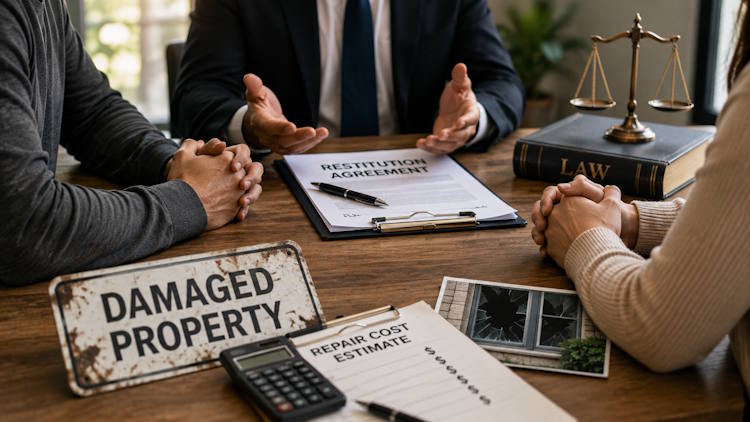
- Offer Restitution: Voluntarily paying for damages shows responsibility and may encourage prosecutors to consider dismissal.
- Explore Diversion Programs: Many jurisdictions offer programs for first-time offenders that can result in dismissed charges.

When Restitution Helps
Paying for damages doesn’t automatically result in dropped charges, but it often helps in several ways:
- Shows Responsibility: Demonstrates that you’re taking accountability for your actions.
- Satisfies Victims: Property owners may be more willing to support dismissal if they’re compensated.
- Influences Prosecutors: Shows good faith and may encourage more lenient treatment.
- Reduces Penalties: Even if charges aren’t dropped, restitution often leads to lighter sentences.
Diversion Programs and Alternative Resolutions
For many vandalism cases – especially first-time offenses or those involving relatively minor damage – a criminal conviction isn’t the only possible outcome. Courts and prosecutors often have discretion to resolve cases through alternative paths. These programs avoid a permanent criminal record, particularly when the circumstances suggest the incident was an isolated lapse in judgment rather than part of a larger pattern of behavior.
An experienced attorney can help identify which of these alternative resolutions may be available for your case. Options might include:
- First Offender Programs: Many courts offer programs for people with no prior criminal record that can result in dismissed charges upon completion.
- Community Service: Some cases can be resolved through community service agreements instead of criminal prosecution.
- Counseling or Education: Cases involving juveniles or alcohol-related vandalism might be resolved through required counseling or education programs.
- Civil Compromise: In some situations, cases can be resolved civilly rather than criminally, especially for minor damage between neighbors or acquaintances.
The Role of Victims in Vandalism Cases
- Cooperation: Victims who don’t want to cooperate with prosecution make cases much harder to prove.
- Impact Statements: Victims can influence sentencing and sometimes prosecutorial decisions through impact statements.
- Restitution Agreements: Private agreements between defendants and victims can sometimes influence case outcomes.
- Relationship to Defendant: Cases involving family members, neighbors, or people with ongoing relationships are sometimes resolved differently than stranger crimes.
What NOT to Do When Facing Vandalism Charges
- Don’t Ignore the Charges: Failing to appear in court will result in additional charges and warrants.
- Don’t Talk to Police Without a Lawyer: Statements you make can be used against you, even if you think they help your case.
- Don’t Contact the Victim Directly: This could be seen as intimidation or witness tampering.
- Don’t Assume Minor Charges Don’t Matter: Even misdemeanor convictions can affect employment, housing, and other opportunities.
- Don’t Wait to Get Legal Help: Early intervention often leads to better outcomes.
How Attorneys Help Get Charges Dropped
Getting charges dropped rarely happens by chance. It’s usually the result of a strategic, multi-pronged approach built by an experienced attorney. From digging into the details of your case to leveraging courtroom relationships and legal expertise, defense attorneys have several tools at their disposal to work toward the best possible outcome.
Here’s how they do it:
- Case Investigation: Thoroughly reviewing evidence, interviewing witnesses, and identifying case weaknesses.
- Legal Motion Practice: Filing motions to suppress evidence obtained illegally or dismiss cases with procedural problems.
- Prosecutor Negotiations: Using relationships and experience to negotiate favorable outcomes.
- Alternative Programs: Identifying and securing admission to diversion programs and alternative resolutions.
- Trial Preparation: Being prepared for trial often leads to better plea offers and increases chances of dismissal.
Timing Matters
- Early Intervention: The sooner an attorney gets involved, the more options are typically available.
- Pre-Filing Negotiations: Sometimes attorneys can prevent charges from being filed at all.
- Statute of Limitations: Most vandalism charges must be filed within a certain time period, and delays can sometimes benefit defendants.
- Evidence Preservation: Important evidence like video footage may be deleted over time if not preserved.
Long-Term Consequences of Vandalism Convictions
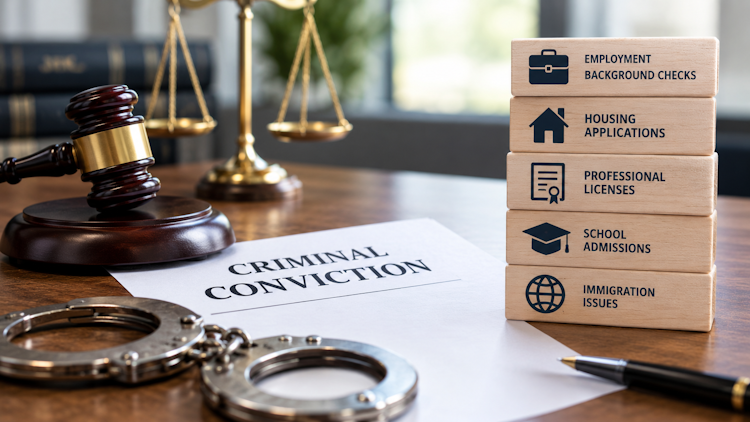
A vandalism conviction doesn’t end when the case closes. It can follow you for years, affecting opportunities well beyond the courtroom. Understanding these long-term consequences can help you make more informed decisions throughout your case.
- Employment Background Checks: Many employers check criminal records and may not hire people with vandalism convictions.
- Housing Applications: Landlords often refuse to rent to people with property damage convictions.
- Professional Licenses: Some professional licenses can be affected by criminal convictions.
- School Admissions: Educational institutions may consider criminal history in admission decisions.
- Immigration Issues: Non-citizens can face serious immigration consequences for criminal convictions.
Building Your Defense
The best chance of getting vandalism charges dropped starts with building a strong defense from the beginning. This includes:
- Gathering evidence that supports your innocence or challenges the prosecution’s case
- Identifying witness testimony that helps your defense
- Documenting any circumstances that explain or mitigate your actions
- Exploring all available legal options and alternative resolutions
- Working with prosecutors to find solutions that serve everyone’s interests
Don’t Give Up Hope
Vandalism charges can feel overwhelming, especially if you’re facing them for the first time. However, many vandalism cases are resolved without conviction, especially with proper legal representation and the right approach to your defense.
At Monohan & Monohan, we understand that good people sometimes make mistakes or find themselves wrongly accused. We work diligently to explore every option for getting charges dropped or reduced, from challenging evidence to negotiating with prosecutors to securing alternative resolutions.
Our experience with local courts and prosecutors gives us insight into what strategies work best in different situations. We’ll thoroughly investigate your case, protect your rights, and fight for the best possible outcome.
Don’t let vandalism charges derail your future. Contact us immediately for a confidential consultation to discuss your case and explore all options for getting your charges dropped or reduced.
This information is for educational purposes only and does not constitute legal advice. Each vandalism case involves unique facts and circumstances that affect potential outcomes and available defenses.
